
We teach in blocks
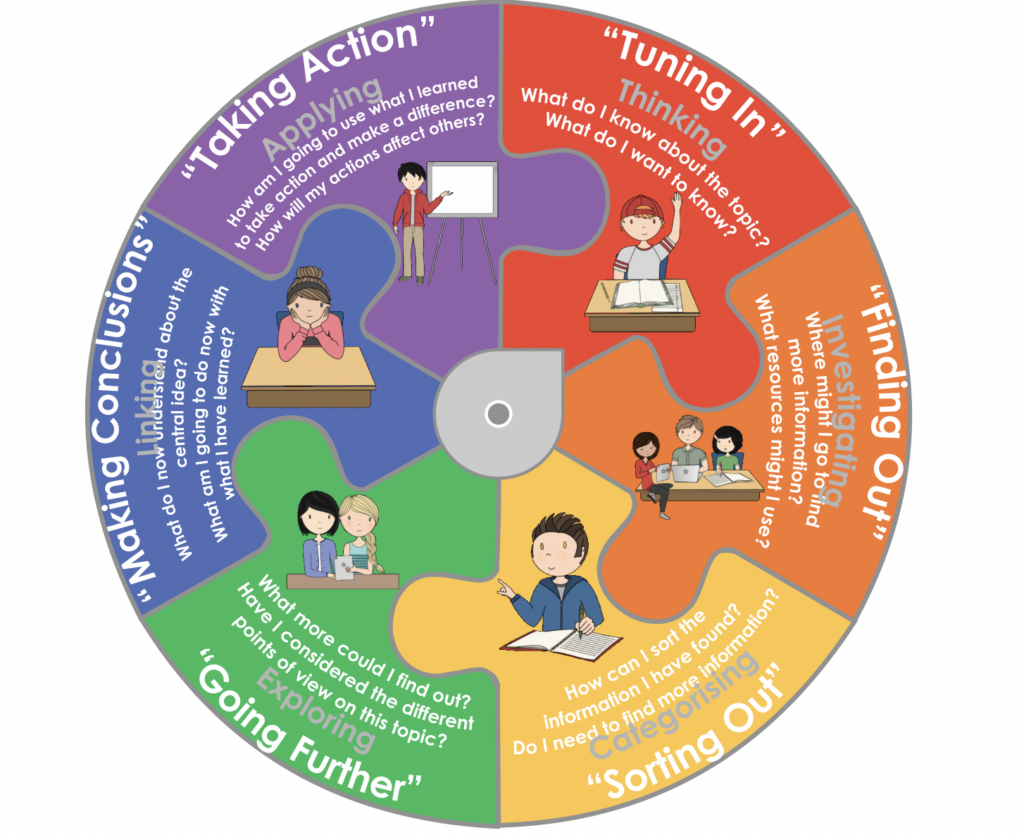
Our lessons go beyond rote memorization and question-answer exercises by focusing on big questions
and dialogue necessary for inquiry-based learning. As a result, we believe that the dynamics needed for
inquiry-based learning can be better acquired in block lessons than in typical 45-minute lessons.
Additionally, as implemented in similar two-way bilingual schools around the world, block teaching
creates an equal quality of immersion when lessons in one language are timetabled bi-weekly either in
the morning or afternoon. Having learners engage in the additional language not only in the afternoon
significantly enhances the quality and pace of language acquisition.
We offer a full-day and holistic programme
We understand music, movement and the arts as equally important languages of understanding that
enable individual expression, discovery, and dialogue. To provide learners with a balanced and
holistic education, we incorporate a variety of creative subjects into our daily timetable.
We go on exploration journeys
Our classroom is not the only place where we explore. We regularly devote a day to explorers’ journeys, whether in nature, museums, exhibitions, theatres, or concerts! In the same way as regular lessons, the encounter with the “world outside” serves to invite learners to reflect and act on it: “How does the thing, the image, the sound affect me? What personal connection can I make with it? What perspective does this encounter offer me?”
We work with leporellos
Throughout Great Britain and the United States, learning journals are considered a crucial part of portfolios. In these learning journals, learners are invited to confront and explore questions on individual paths: it is where learners visualize their cognitive processes. Unlike traditional exercise books, learners’ language and approach recorded in their learning journals are not benchmarked or graded against norms and correct answers. To take ownership of their learning, students need to translate the problem in question into their own words and relate it to their own experiences in their individual language. The normative tools and appropriate language necessary to solve the problem are configured only after the learner’s personalized confrontation – in dialogue and collaboration with peers and the teacher. We envision learning journals as colourful leporellos where learners leave traces of their personal inquiry. Our students each have their own leporello for that very reason!
We assess process-oriented (formative)